
Faith & Family · 6 min read
A simple family prayer routine that actually fits real life
19/07/2026
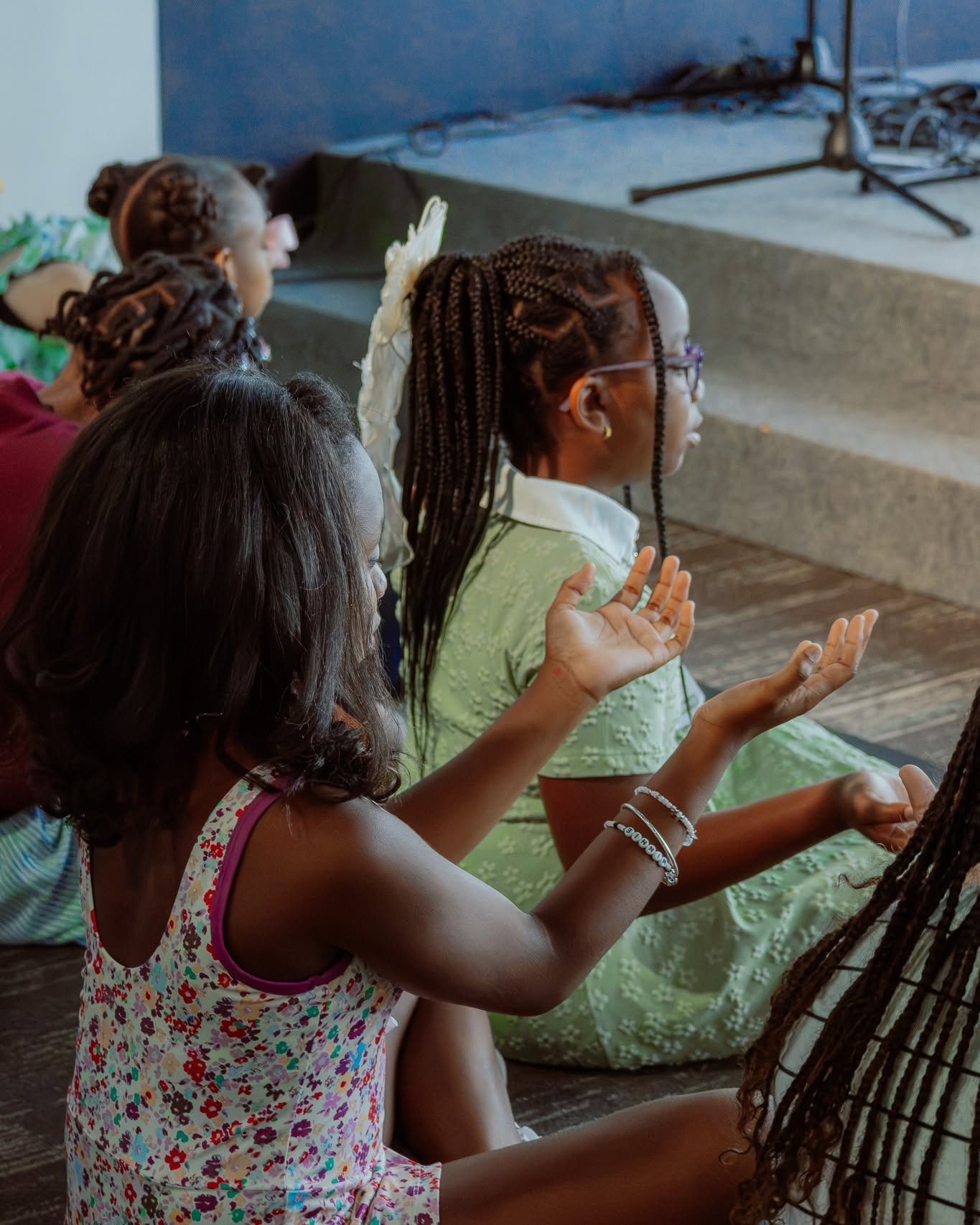
Many families want to pray together but are unsure how to begin. The idea can feel formal, and the reality can feel chaotic. Someone is wiggling, someone is tired, and someone suddenly remembers a school form that was due yesterday.
That does not disqualify the moment. Family prayer is not a performance. It is a way to turn toward God together with whatever is actually happening.
A useful family prayer routine should be simple enough for a busy day, flexible enough for different ages, and honest enough to sound like your family. This three-part pattern is a good place to start.
The three-part prayer: Thank You, Help Us, Show Us
Thank You. Each person names one thing they are grateful for. It can be significant or small: a friend, a good meal, a safe drive, a funny moment, or the chance to begin again. Gratitude helps a family pay attention to gifts that are easy to miss.
Help Us. Each person names one need. Pray for courage before a hard conversation, healing for someone who is sick, patience with one another, or help making a decision. Children learn that prayer can include the concerns they already carry.
Show Us. Ask God to show your family how to love, serve, forgive, or respond. This moves prayer beyond asking God to change circumstances. It makes room for God to shape you, too.
A 30-second example: “God, thank You for time together today. Help us be patient with one another tomorrow. Show us someone we can encourage. Amen.”
Choose a cue, not a perfect time
The best prayer time is the one your family can remember. Attach prayer to an existing cue: before leaving for school, at the dinner table, when the lights go out, or when everyone gets into the car.
If your schedules rarely line up, prayer can happen with whoever is present. A parent and one child in the car still count. A short voice message in the family group chat can become prayer. The purpose is connection with God, not perfect attendance.
Keep the language natural
Children may assume prayer requires religious vocabulary. Show them they can speak to God clearly and respectfully in their own words. Short sentences are enough. Silence is allowed. Passing is allowed while they become comfortable.
Adults can model honesty without giving children more detail than they can carry. “God, I feel worried about work today. Please give me wisdom and peace” teaches more about prayer than trying to sound impressive.
Give every age a way to participate
Preschoolers can repeat a short phrase or name one person. Elementary-age children can choose a gratitude and a need. Teens may prefer a quick check-in, a written request, or taking turns on different days.
Participation does not have to look identical. The goal is to help each person discover that prayer can be personal, honest, and part of everyday life.
Pray specifically — and notice what happens
Specific prayers help families remember and reflect. Keep a small notebook or a note on your phone with names, needs, and dates. Revisit it occasionally. Some circumstances may change; others may not. Either way, noticing helps families talk about trust, patience, and the ways God may be working.
Avoid treating prayer like a formula that guarantees the outcome you want. Christian prayer is relational. We bring our requests to God, listen, and trust His wisdom even when the answer is not immediate or simple.
Make space for quiet
One minute of quiet can feel very long, especially with children. Start with ten seconds. Invite everyone to breathe, remember that God is near, and pay attention. Over time, silence can teach a family that prayer includes listening and resting, not only speaking.
Let prayer lead to action
If you pray for a neighbour, consider sending a message. If you pray for someone who needs food, ask how your family can help. If you ask for peace after a conflict, take the next step toward an apology.
Prayer and action are not competitors. Prayer helps us receive God's direction; obedience gives that prayer movement in the world.
What to do when the routine falls apart
It will. You will forget, travel, get sick, or go through a season when everyone's schedule changes. Do not turn a missed routine into guilt. Begin again with the next available moment.
A family prayer routine is a tool, not a scorecard. Its value comes from helping your family return to God — not from maintaining an unbroken streak.
Try it for seven days
Choose one cue and use Thank You, Help Us, Show Us for one week. Keep the entire prayer under two minutes if that is what your family can sustain. At the end of the week, ask what felt meaningful and what should change.
Small prayers offered consistently can become a strong family rhythm. Over time, your children may remember less about how long you prayed and more about this: in our family, we could bring real life to God.
Frequently asked questions
How long should family prayer last? Start with one or two minutes. Length is not the measure of a meaningful prayer. A short, honest rhythm that your family can repeat is a strong beginning.
What if my child does not want to pray out loud? Do not force it. Let them listen, write a request, choose a person for someone else to pray for, or simply say “amen.” Comfort can grow over time.
Can we pray when we are angry or upset? Yes. The Bible includes prayers from people experiencing grief, fear, anger, and confusion. Speak honestly while still treating one another with care.
Next Step
Want to talk this through with someone?
Our team would genuinely love to hear from you — no pressure, no follow-up you didn't ask for.
More in Faith & Family
Faith & Family
How to build faith at home: 7 simple rhythms for busy families
Faith at home does not require a perfect schedule or a theology degree. These seven simple rhythms can help your family notice God, talk honestly, and grow together.
Faith & Family
How to talk to your kids about God (even when you don't have every answer)
You do not need every answer to have meaningful faith conversations with your child. Start with curiosity, honesty, and a willingness to learn together.